By John (Jack) Anstine, Riley Doyle, Madelyn Oden, and Margot Wolfner
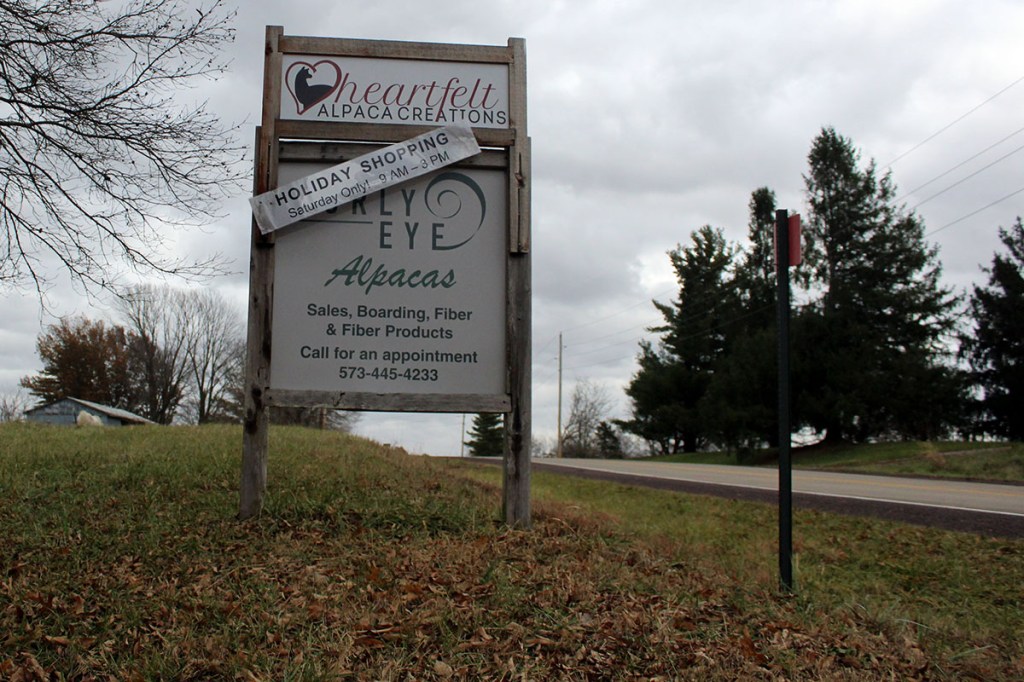
When turning down the small and winding gravel road to Curly Eye Farm in Columbia, many visitors do not know what to expect. This is a similar feeling to what Gary and Mary Licklider experienced when deciding to turn their property of thirty-five years into a working alpaca farm.
Twenty alpacas now reside on the land and help to produce fleece and other products. The alpacas are both inexpensive and low-maintenance, which helps explain the Lickliders’ reasoning for starting their business.
An alpaca is a unique animal in many ways, including the fact that it must be accompanied by another alpaca, or it will get “too lonesome and stop eating,” according to Gary. This is why the Curly Eye Farm chooses to keep a considerable amount on the grounds at all times. The Lickliders previously owned cattle, but the alpacas are much easier to care for.
They require only ten minutes in both the morning and evening, and they even produce a special hum that Gary calls, “Therapeutic to hear while taking care of them in the evening after a long day.”
“You can just feel the tension melt away being with the alpacas. They are real social believe it or not.”
Gary Lidlicker
While the business continues to grow, the Lickliders choose to open their doors for just a few days of the year, including National Alpaca Farm Day and the weekend following Thanksgiving. Mary says, “We don’t have a huge number of animals, so we don’t have a huge variety of products that we are able to sell.”
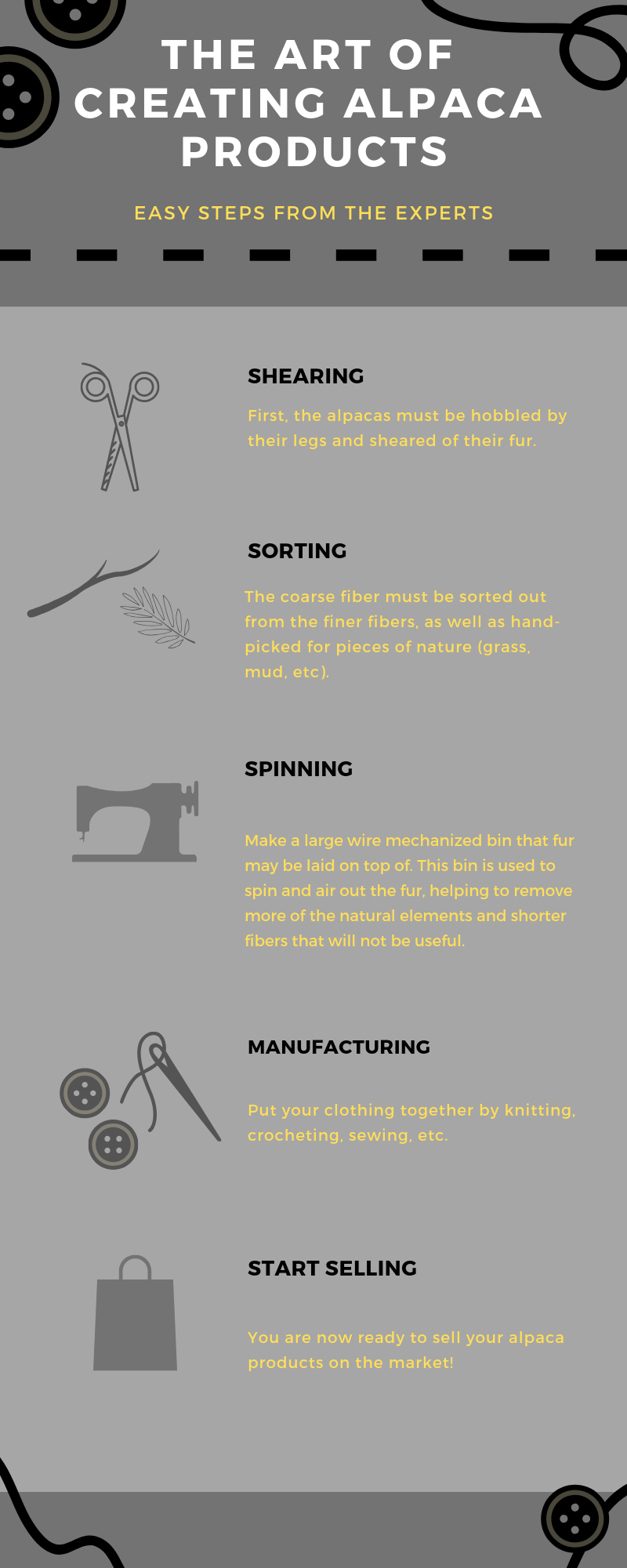
The process to turn the alpaca fur into fleece or other products is the most time-consuming part of running Curly Eye Farm for the Lickliders. They do, however, enjoy the fact that the animals are useful every year, instead of just once such as their cows were.
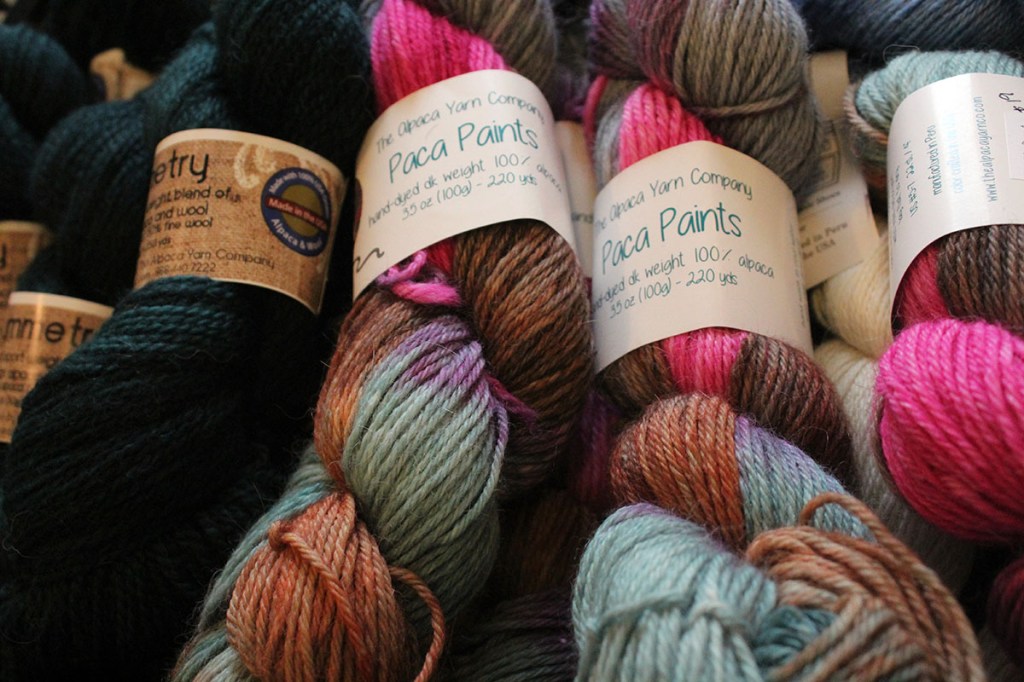
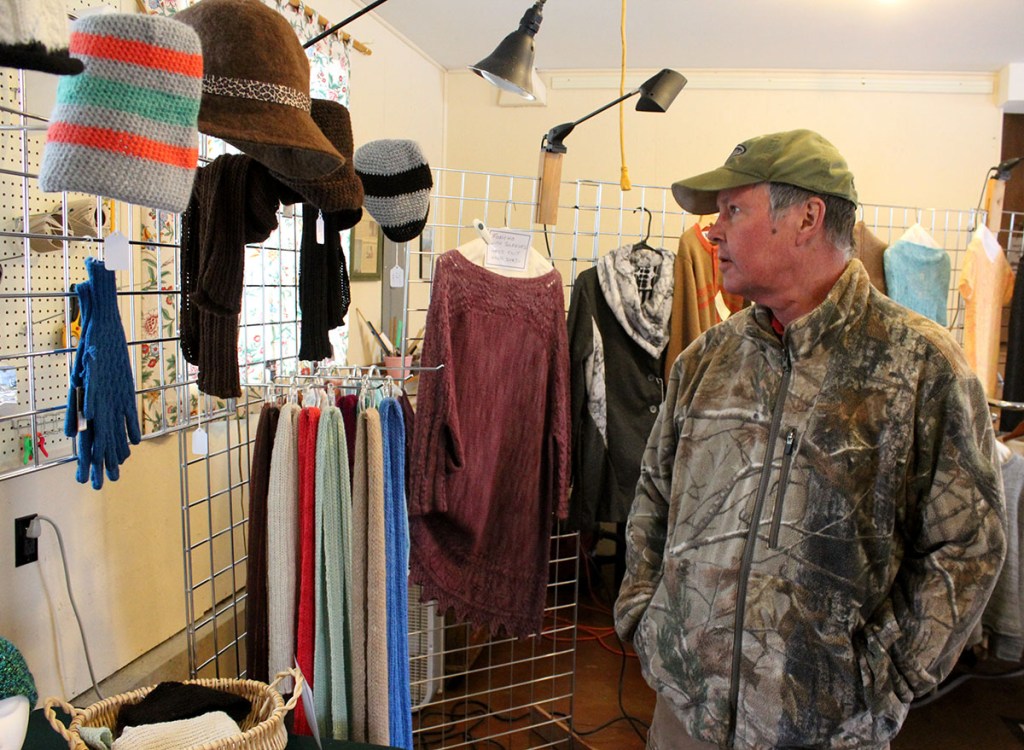
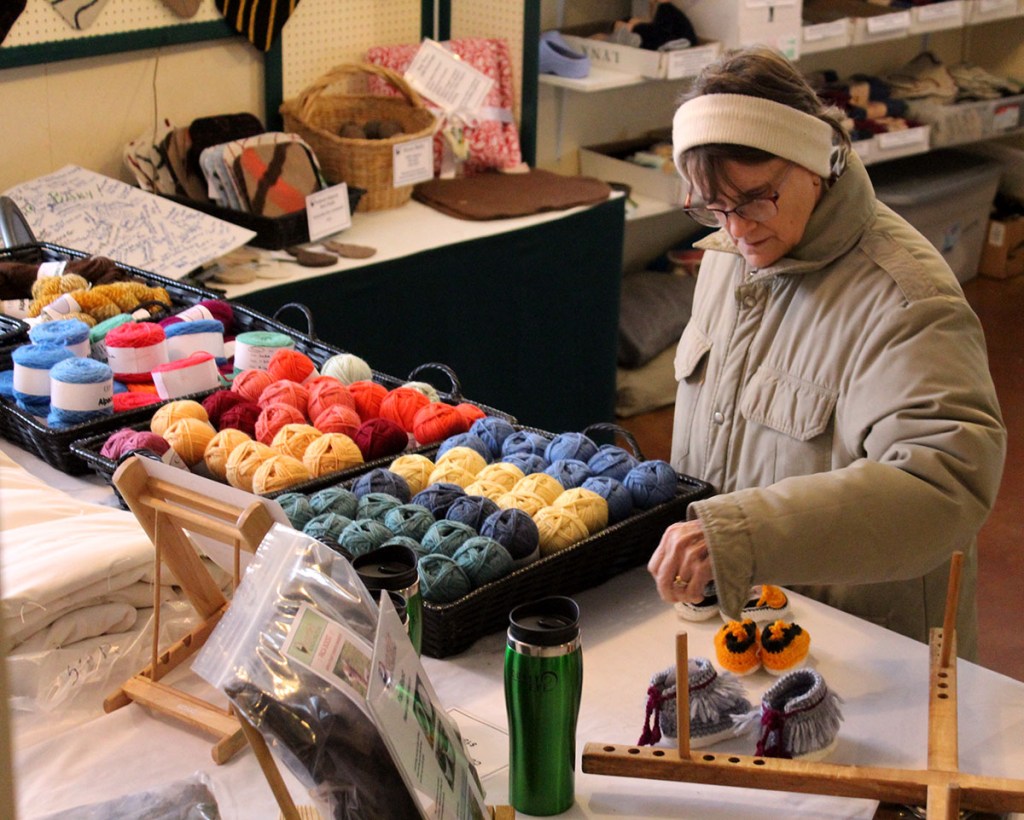
The Lickliders sell mostly socks and other warm clothing items. They also send fleece to Michigan, where it can be made into batting for comforters. This outsourcing allows for them to keep many unusual products on their shelves throughout the year. The Lickliders also board alpacas for other farmers throughout the midwest and they currently board six from surrounding areas.
The impact the farm has on the community is evident through the sheer numbers that walk through the doors of the small store. Gary estimates approximately two-hundred fifty customers typically arrive for their public selling events. “Many customers will come to look at the animals, and end up purchasing items when they realize how soft and warm the fleece truly is,” says Mary.
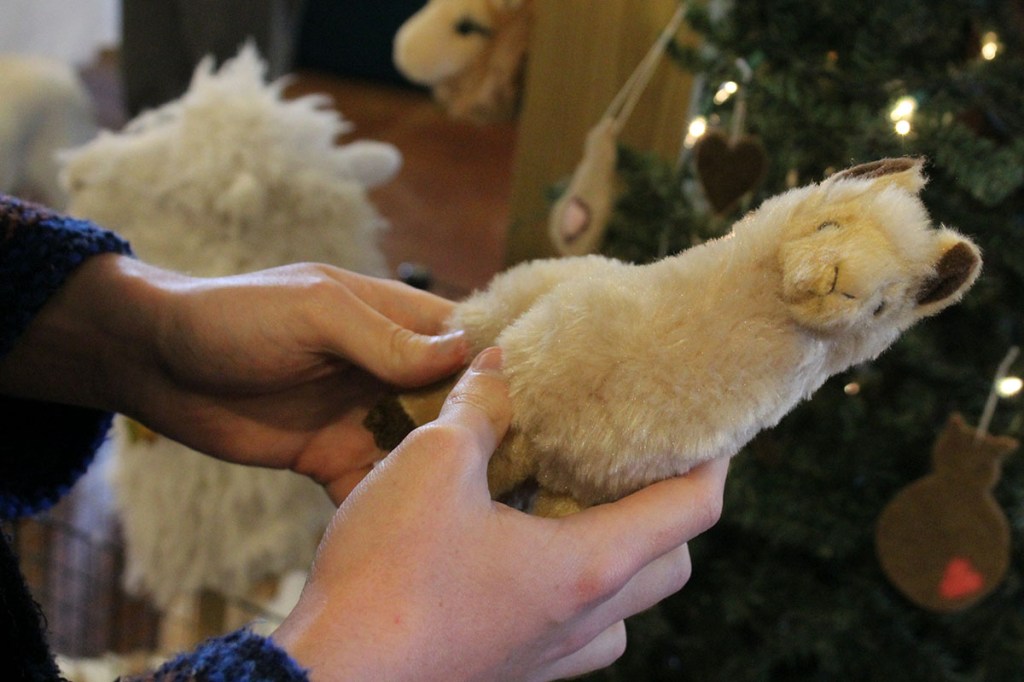
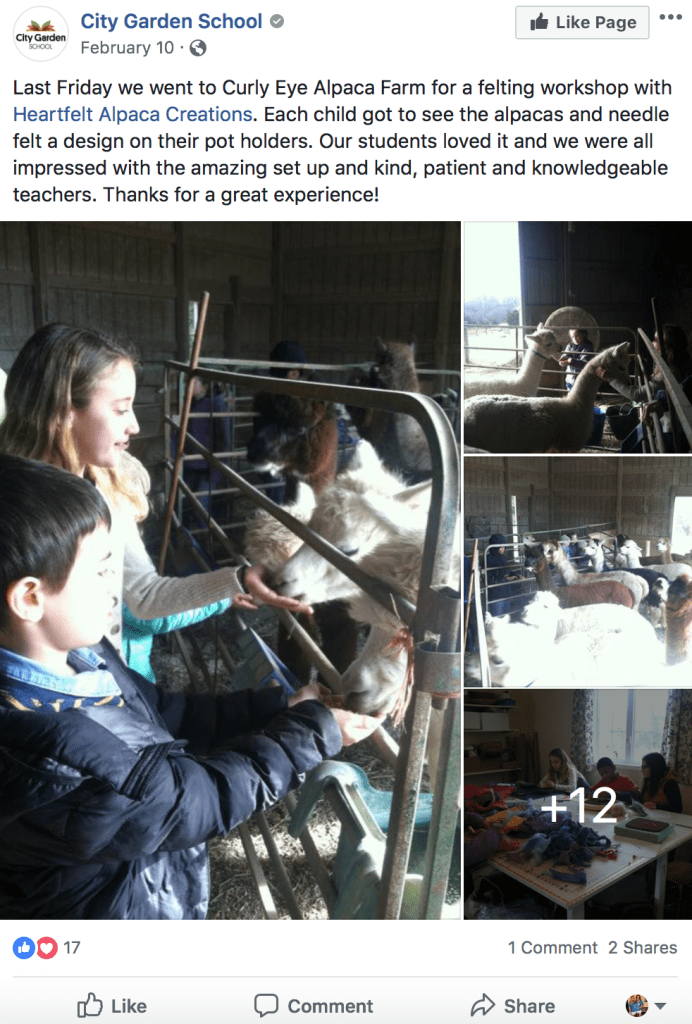
Some Columbia residents will also call throughout the year to inquire about other events or activities that the farm may offer. Mary claims she and Gary are, “Just kind of are open to everything under the sun. We could do birthday parties or field trips when we get calls about that.” One activity Mary enjoys doing during field trips is to help the children learn the tools and tricks of hand-felting.
The more recent emphasis on “shopping small businesses” has greatly increased the support for the store and their products. The farm promotes this value and encourages consumers to, “Know where their products are coming from because you never know what processing your clothing is going through,” according to Gary. He can even tell what alpaca produced certain fleece by the unique color of its fur.
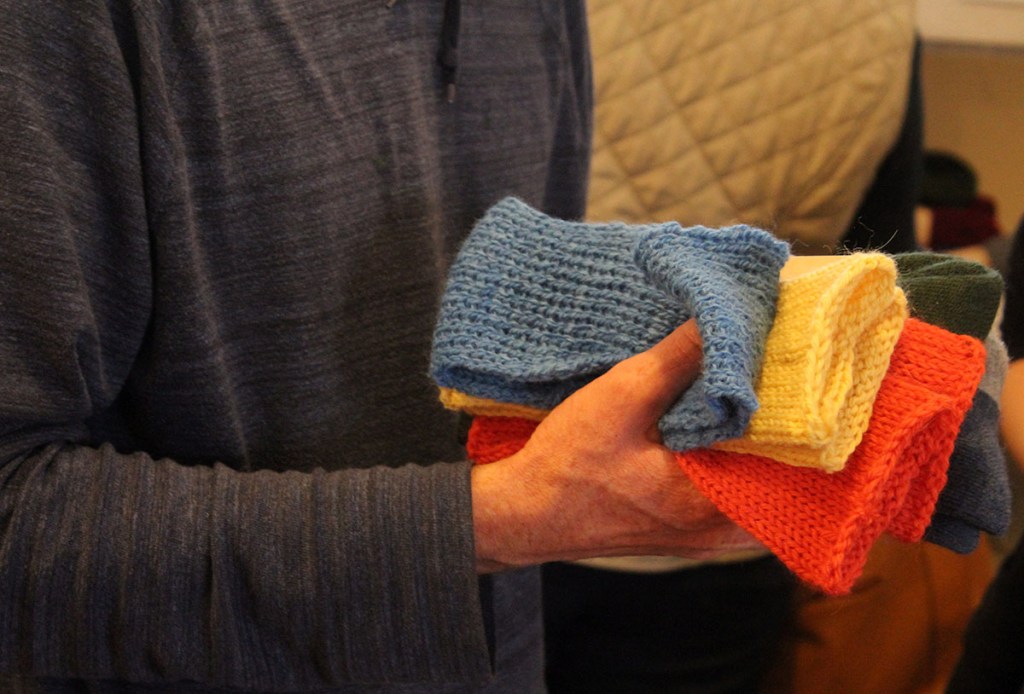
Mary is most familiar with the process of knitting or crocheting alpaca yarn into clothing because she has been practicing her whole life. Her skills are part of why she and Gary chose to create their business, and many of the products in the store are handmade by Mary.
“There are some things that are just beyond my skill as a knitter, like gloves”
Mary Licklider
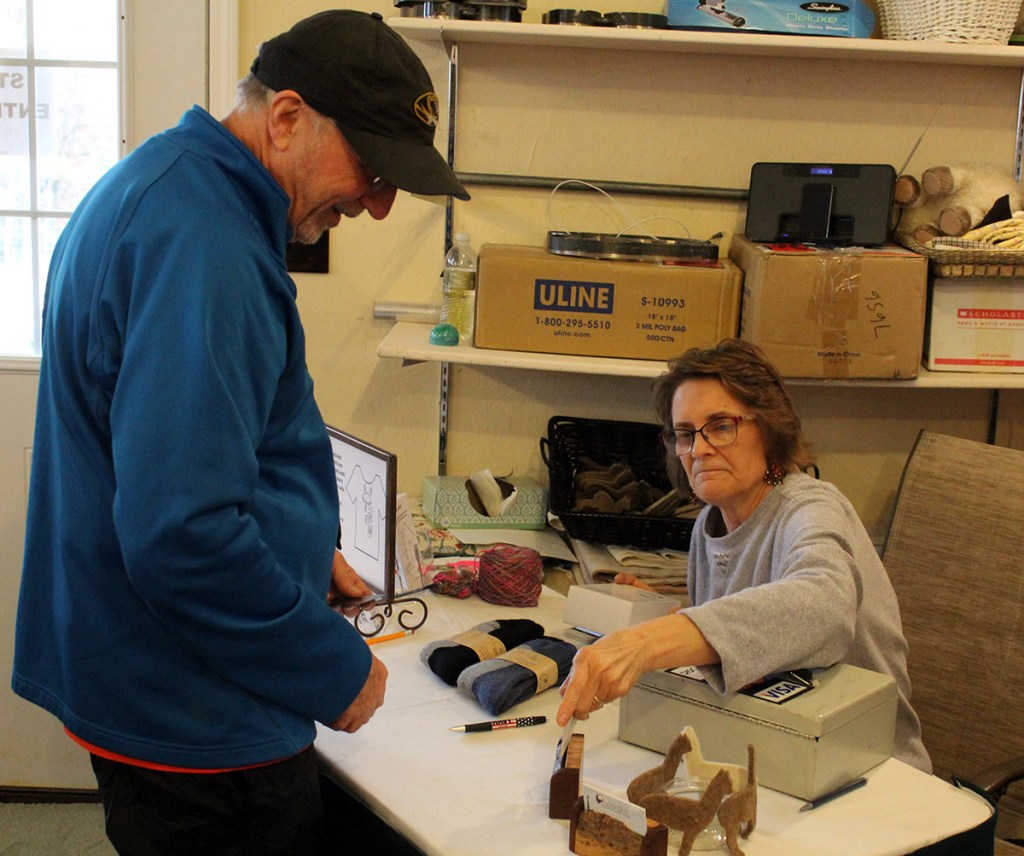
Overall, the Lickliders main hope is to see the success of their farm continue, and the growing population of alpaca farms in the midwest continue to rise. “It’s just more fun to love on them when you know there are others out there like you that care for these beautiful creatures too,” says Mary about the experience.
About the Authors
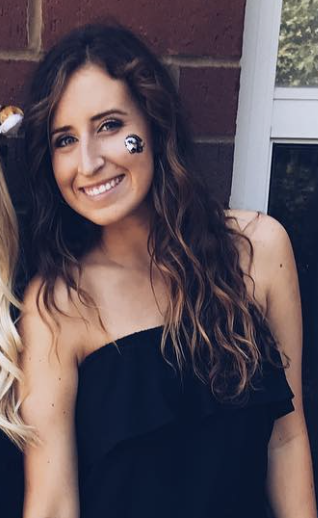
Riley Doyle
I am currently a sophomore studying Journalism with an emphasis of Strategic Communications. I was able to work on the photo and website design/text portions of the project. I plan to use my degree to become a graphic designer and create marketing materials and strategies after graduation.

Margot Wolfner
I am currently a sophomore studying Journalism with an emphasis of strategic communication. I worked on the video and audio aspects. I plan to use my degree to become a public relations specialist.
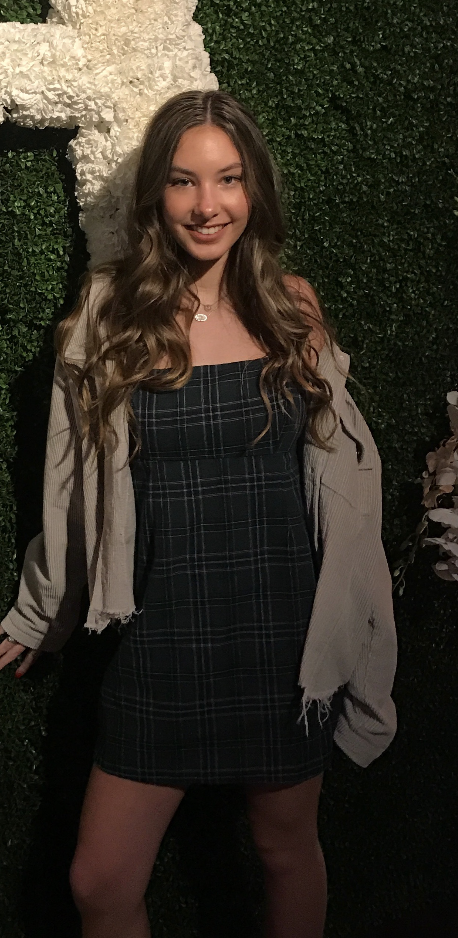
Madelyn Oden
I am currently a junior studying Journalism with an emphasis of magazine editing. I worked on the audio and website design/text portions for this project. I plan to become a magazine editor with my degree.
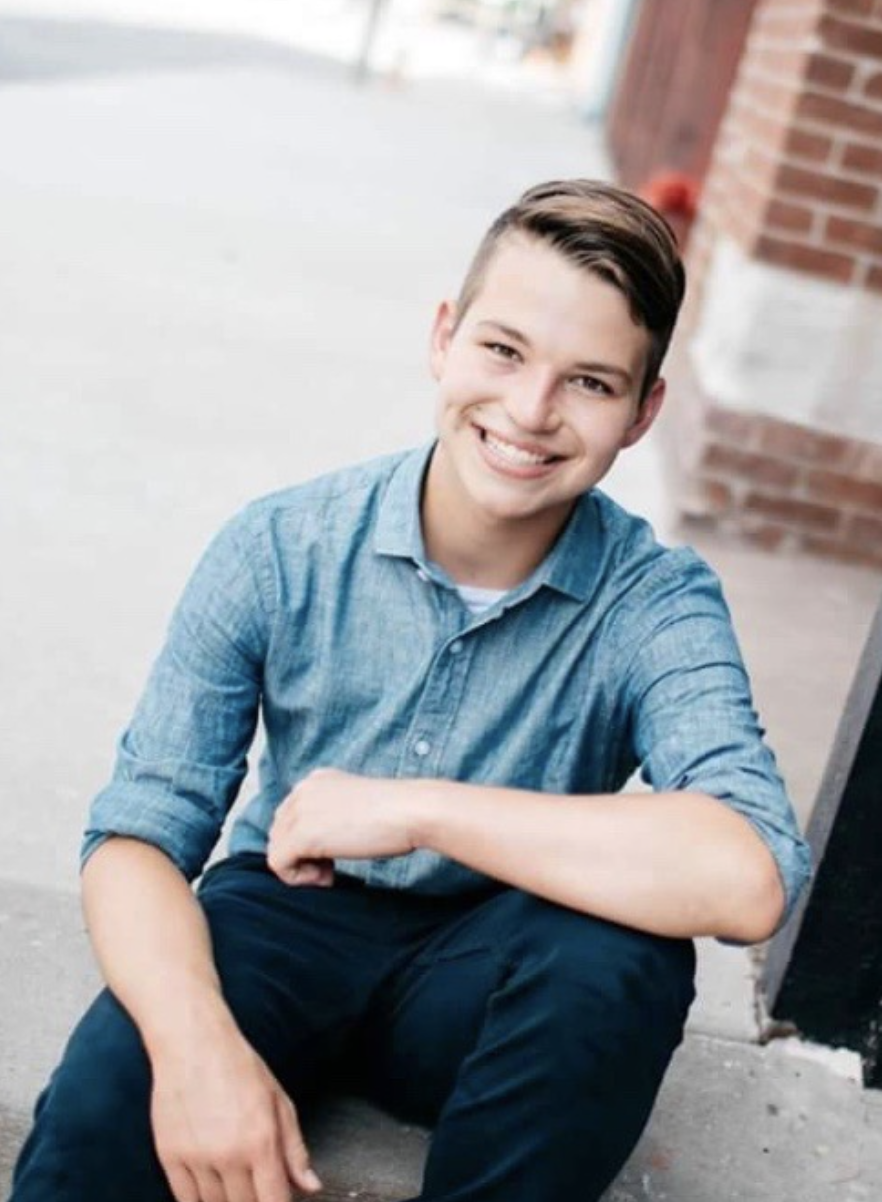
John (Jack) Anstine
I am currently a sophomore studying Journalism with an emphasis on convergence multimedia producing. I worked on the photo and video elements of this project.
 thealpacaeffect.movie.blog